Vitamin A Family - Beta-Carotene and Vision Support
Educational content only. This page provides factual information about vitamin A, common food sources, and general nutritional concepts. It is not medical advice or personal recommendation.
Understanding Vitamin A
Vitamin A is a fat-soluble nutrient that exists in multiple forms. The term "Vitamin A" actually refers to a group of compounds including retinol, retinal, and retinoic acid. Beta-carotene, found in plant foods, is a precursor that the body can convert to vitamin A as needed.
General Role in the Body
Vitamin A has multiple recognized roles in human metabolism:
- Vision and Light Detection: Vitamin A is essential for the production of rhodopsin, a protein in the eyes that helps detect light. It supports the maintenance of normal vision, particularly in low-light conditions.
- Epithelial Tissue Maintenance: Vitamin A supports the health and maintenance of epithelial tissues - the cells that line the skin, eyes, respiratory tract, and digestive tract.
- Cellular Differentiation: Vitamin A plays a role in cell growth and differentiation, supporting normal development and cellular function.
- Immune Function: Vitamin A is involved in supporting normal immune system function through its role in immune cell development and function.
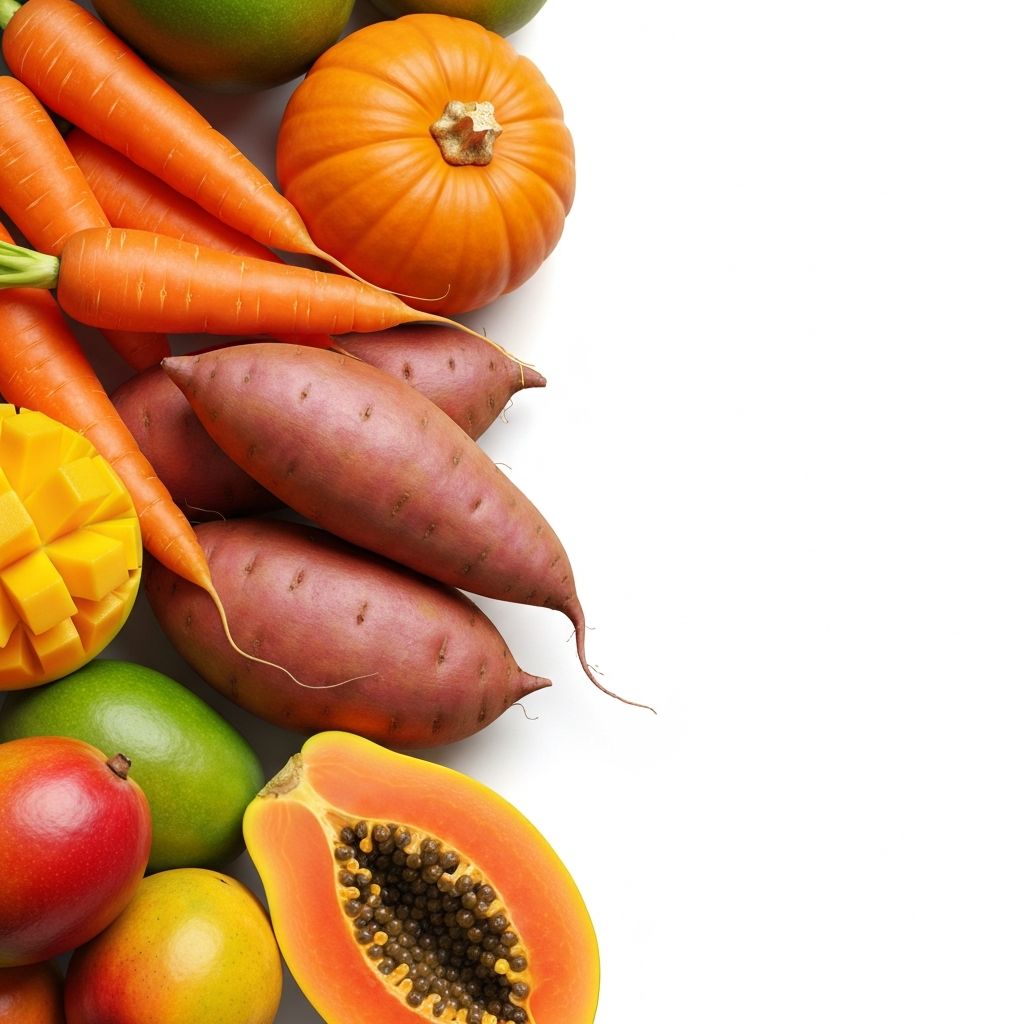
Orange vegetables like carrots and sweet potatoes are excellent sources of beta-carotene
Common Dietary Sources
Animal-Based Sources (Preformed Vitamin A)
- Liver and organ meats
- Fish and fish liver oils
- Eggs
- Dairy products
Plant-Based Sources (Beta-Carotene)
- Orange vegetables: carrots, sweet potatoes, pumpkin
- Orange fruits: mangoes, apricots, papayas
- Red vegetables: red peppers, tomatoes
- Dark leafy greens: spinach, kale, chard
- Tropical fruits: passion fruit, guava
Nutritional Reference Intakes
The adequate intake (AI) and recommended dietary allowance (RDA) for vitamin A vary by age and gender:
- Adult males: approximately 900 mcg RAE daily
- Adult females: approximately 700 mcg RAE daily
- Variations exist for children, adolescents, and during pregnancy/lactation
Beta-Carotene Conversion
The body converts beta-carotene to vitamin A as needed. Conversion efficiency varies based on several factors including individual metabolism, fat availability in the diet, and presence of other compounds that affect absorption. This is why consuming a variety of vitamin A sources is recommended.
Variability Among Populations
Vitamin A requirements and intake patterns vary across different demographics and populations due to:
- Age and life stage differences
- Regional food availability and traditional diets
- Individual metabolic variations
- Dietary preferences and cultural eating patterns
Important Note: This information is educational only and not a substitute for personal medical advice. Individual vitamin A needs vary based on age, health status, and other factors. For personalized guidance regarding your nutritional intake, please consult appropriate healthcare professionals.